
What Facilities Matter Most in a Self-Catering Apartment
Choosing a self-catering apartment is about more than finding a comfortable bed in a convenient location. The facilities available inside the property can have a significant effect on how practical, comfortable, and enjoyable a stay becomes, particularly when guests plan to prepare meals, work remotely, stay for several days, or travel with family.
For travellers comparing self catering apartments Cape Town options, it is useful to look beyond attractive photographs and consider how the apartment will actually be used. A stylish interior may be appealing, but practical features such as a properly equipped kitchen, reliable internet, secure parking, and laundry facilities can make a much bigger difference during an extended stay.
The most important facilities will vary according to the purpose and length of the trip. Someone staying for two nights may prioritise a comfortable kitchen and good Wi-Fi, while a guest staying for several weeks may place greater importance on laundry equipment, storage, workspace, and everyday cooking facilities. Understanding these differences makes it easier to choose accommodation that suits the entire stay rather than simply looking impressive when first viewed online.
A Well-Equipped Kitchen
The kitchen is one of the defining features of a self-catering apartment. Guests generally choose this type of accommodation because they want the flexibility to prepare some or all of their own meals, so the available equipment should be considered carefully before booking.
A useful kitchen does not necessarily need to resemble a full restaurant kitchen. However, it should provide the basic appliances and utensils required for ordinary meal preparation. A refrigerator, stove or hob, microwave, kettle, and suitable cookware are generally practical essentials.
Other useful items can include an oven, toaster, coffee-making equipment, chopping boards, knives, cooking utensils, plates, bowls, glasses, and cutlery. The amount of equipment needed depends partly on whether guests expect to prepare simple breakfasts and snacks or complete meals throughout their stay.
Kitchen storage also matters. Even a compact apartment becomes easier to use when there is enough cupboard and counter space for groceries, food preparation, and dishes.
Reliable Wi-Fi and Internet Access
Internet access has become an important accommodation facility for both leisure and business travellers. Guests may need to communicate with family, access travel information, stream entertainment, attend online meetings, or work during their stay.
A property can advertise Wi-Fi without necessarily offering an experience that is suitable for every type of guest. Where possible, travellers should check whether internet access is included, whether there are any usage limitations, and whether the connection is intended to support normal work and browsing requirements.
A comfortable workspace can make reliable internet considerably more useful. A proper table or desk, a suitable chair, and access to a nearby power outlet can help guests work without having to use a dining table or bed as a makeshift office.
For longer stays, these seemingly small details can become surprisingly important.
Comfortable Sleeping Arrangements
The primary purpose of accommodation is still to provide a suitable place to rest. A self-catering apartment therefore needs more than a functional kitchen and attractive living area.
The quality and configuration of the sleeping arrangements should match the number of guests. Couples may prefer a spacious bedroom, while families may need separate sleeping areas or a sofa bed that is genuinely suitable for overnight use.
Mattress comfort, bedding, ventilation, curtains or blinds, and noise levels can all influence sleep quality. Storage beside the bed and convenient access to lighting and power outlets are also useful practical features.
If the apartment is being considered for an extended stay, adequate wardrobe and drawer space becomes particularly valuable because guests are less likely to want to live out of suitcases.
Laundry Facilities
Laundry facilities are especially useful for guests staying for a week or longer. Being able to wash clothes within the apartment or building can reduce the need to find an external laundromat and allows travellers to pack more efficiently.
A washing machine is often the most useful facility, while a tumble dryer can be particularly convenient where weather or space makes air-drying difficult. If laundry equipment is shared, guests may also want to understand how it is accessed and whether there are additional charges.
Drying space should not be overlooked. A washing machine is less practical if there is nowhere suitable to dry clothes.
For families, business travellers, and guests planning longer visits, laundry facilities can therefore move from being a convenient extra to an important consideration.
Bathroom Facilities and Hot Water
A clean, functional bathroom is essential in any type of accommodation. Guests should consider the number of bathrooms relative to the number of people staying in the apartment, particularly when travelling as a group.
Important features can include a reliable shower, sufficient hot water, good ventilation, adequate lighting, and enough storage for toiletries. A separate shower and bath may be useful for some travellers, while others may prioritise a spacious shower instead.
The availability of basic bathroom amenities can also affect convenience. However, travellers should check what is actually included rather than assuming that every property supplies the same items.
Air Conditioning, Heating and Ventilation
Indoor temperature can have a substantial effect on comfort, particularly during seasonal extremes. Depending on the location and time of year, air conditioning, heating, or effective natural ventilation may be important.
Temperature control is not simply about having a particular appliance. The apartment should allow guests to maintain a comfortable indoor environment without excessive difficulty.
Windows that provide ventilation can be useful, while fans or air conditioning may provide additional comfort during warmer periods. In cooler weather, suitable heating can make a significant difference, especially in apartments where evenings become chilly.
Travellers should consider the season in which they are staying rather than assuming that the same facilities will be equally important throughout the year.
Secure Parking and Building Access
Parking can be a major practical consideration for guests travelling by car. An apartment may have excellent internal facilities, but limited or inconvenient parking can make everyday travel more complicated.
Secure parking within the property or a controlled-access building can provide additional convenience. Guests should also check whether parking is included in the accommodation price or whether it requires a separate charge.
Building access is another consideration. Clear instructions for entering the property, collecting keys, using access controls, and reaching the apartment can make arrival considerably easier.
Security features should be described accurately rather than exaggerated. Guests can look for practical information about controlled entrances, parking arrangements, and access procedures when comparing properties.
Living and Dining Space
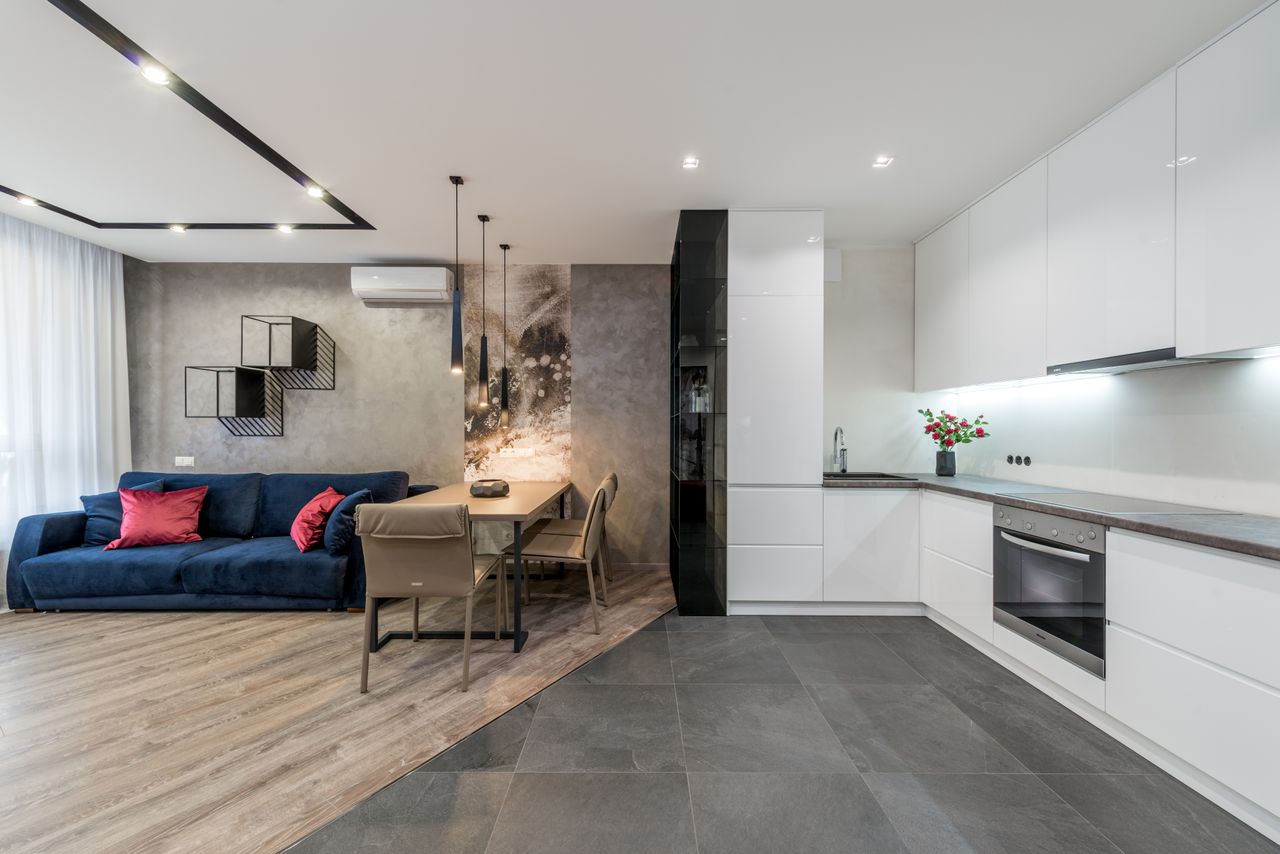
One of the advantages of an apartment over a conventional hotel room is having more space to live normally. A comfortable lounge and dining area can make the accommodation feel much more functional, particularly during longer stays.
A suitable dining table provides a place for meals, but it can also double as a workspace when necessary. Comfortable seating gives guests somewhere to relax without having to spend all their time in the bedroom.
Layout matters as much as the amount of furniture. A well-planned apartment can feel comfortable even when it is relatively compact, while excessive furniture can make a larger property feel restrictive.
Guests travelling with children or spending considerable time indoors may place greater value on usable living space than travellers who expect to be out sightseeing most of the day.
Storage and Everyday Practicalities
Storage is easy to overlook when viewing accommodation online. Photographs often focus on décor, views, bedrooms, and living areas, while cupboard space receives considerably less attention.
Adequate storage helps guests keep clothing, luggage, groceries, toiletries, and other personal belongings organised. This becomes increasingly important during longer stays.
Other small practical details can also improve the experience. These may include sufficient power outlets, bedside charging points, kitchen storage, cleaning supplies, an iron and ironing board, and appropriate waste-disposal facilities.
Individually, these features may seem minor. Collectively, they can make an apartment considerably easier to live in.
Outdoor Space and Leisure Facilities
Outdoor space is not essential for every traveller, but it can add considerable value when available. A balcony, patio, garden, or communal outdoor area can provide somewhere to enjoy fresh air without leaving the property.
Swimming pools, fitness facilities, communal lounges, and other shared amenities may also appeal to certain guests. However, these facilities should generally be viewed as additions rather than substitutes for essential apartment features.
A property with an attractive pool, for example, may still be inconvenient if the kitchen is poorly equipped or the internet connection does not meet the guest’s needs.
The right balance depends on how the apartment will be used.
Facilities to Prioritise When Comparing Apartments
When comparing several properties, it can help to divide facilities into essential requirements, useful conveniences, and optional extras. This prevents attractive but less important features from overshadowing the facilities that will actually affect daily life.
Consider the following factors:
- A functional and adequately equipped kitchen
- Reliable internet access
- Comfortable beds and appropriate sleeping arrangements
- Suitable bathroom facilities and hot water
- Laundry equipment for longer stays
- Heating, cooling, or good ventilation
- Secure and convenient parking where required
- Adequate storage for clothing and luggage
- Comfortable living and dining areas
- Sufficient power outlets and charging points
- Outdoor space or leisure facilities where relevant
- Clear and practical building access arrangements
This approach can also help travellers compare apartments according to their personal priorities instead of relying entirely on star ratings, photographs, or general descriptions.
Choosing Facilities According to the Length of Your Stay
The length of a trip can change which facilities matter most. For a short weekend visit, guests may only need a functional kitchen, comfortable sleeping arrangements, a good bathroom, and reliable internet. They may not use laundry facilities or require extensive storage.
Longer stays are different. Guests tend to settle into a daily routine, purchase groceries, prepare more meals, wash clothes, and spend more time using the apartment itself. Facilities that initially seem secondary can therefore become much more valuable.
Business travellers may prioritise workspace and connectivity. Families may focus on kitchen equipment, laundry, storage, and sleeping arrangements. Couples on leisure trips may place more emphasis on comfortable living areas and outdoor space.
There is no single list of facilities that will suit everyone.
Looking Beyond the Facility List
A property’s facility list is useful, but it does not tell the entire story. Travellers should consider how well the facilities are maintained and whether the description provides enough practical information to understand what is actually available.
For example, saying that an apartment has a kitchen gives little indication of whether guests can comfortably prepare meals. Similarly, stating that Wi-Fi is available does not explain whether it is suitable for everyday browsing or remote work.
Clear descriptions and recent photographs can provide additional context, although travellers should still confirm important requirements directly with the accommodation provider when necessary.
The best choice is generally the apartment whose facilities align with the way the guest expects to live during the stay. A property does not need every possible amenity to be practical. It needs the right combination of reliable, useful facilities for the people using it.
For travellers considering self catering apartments Cape Town properties, this distinction can make the comparison process much easier. Rather than focusing only on appearance or the number of amenities advertised, consider which facilities will support cooking, sleeping, working, washing clothes, relaxing, and managing everyday routines.
A well-equipped apartment should make those routines straightforward. When the practical details are right, the accommodation can provide the flexibility and independence that make self-catering stays particularly useful.